SUPER-TAC
Navigation-grade performance in a tactical-grade footprint. Built for platforms operating where GNSS cannot be trusted.
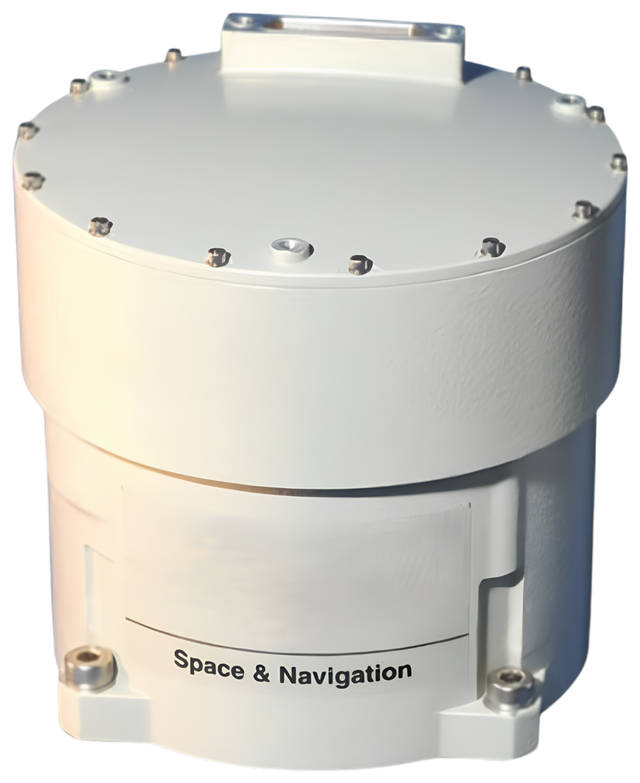
One self-contained unit
A single rugged housing with no external electronics box to integrate — Super-TAC drops into new designs or upgrades legacy platforms without added system complexity. Where traditional tactical-grade IMUs rely on MEMS alone, Super-TAC pairs fiber optic gyros with MEMS to deliver extremely low bias stability, very low angle random walk, and reliable GPS-denied performance.
Not another tactical IMU
Where traditional tactical-grade units rely on MEMS alone, Super-TAC combines fiber optic gyros with MEMS to close the gap to navigation-grade performance.
Where Super-TAC is deployed
One IMU, engineered for many missions.
Intelligence, Surveillance & Reconnaissance
- EO/IR
- FLIR
- Laser designators
- Radar stabilization
Autonomous Systems
- Fixed-wing UAV
- VTOL UAV
- UUV
- USV
- UGV
Precision Guided Weapons
- Loitering munitions
- Cruise missiles
- Precision rockets
- Long-range strike
Ground Combat Systems
- Remote weapon stations
- Counter-UAS
- Fire control
- Target location
Naval Systems
- Stabilized sensors
- Fire control
- Marine navigation
- Weapon stabilization
Aviation
- Mission computers
- Flight controls
- Attitude reference
- Navigation
MISSION CLASSES
Missile Systems
- HIMARS / GMLRS-class rockets
- PrSM-class
- Loitering munitions
- Cruise missiles
- Surface-to-air interceptors
UAV
- MQ-9 class MALE UAV
- Group 2 ISR UAV
- Tactical VTOL UAV
- Loyal Wingman concepts
EO/IR
- MX-series style turrets
- Gimbal payloads
- Airborne ISR pods
- Naval surveillance turrets
Ground
- JLTV
- Stryker
- Remote weapon stations
- Counter-UAS vehicles
Marine
- USV
- Combatant sensor masts
- Naval EO directors
- Small autonomous boats
Rotary Wing
- UH-60 class
- AH-64 class
- Special mission helicopters
- Naval helicopters
Technical specifications
01Performance+
02Physical+
03Electrical+
04Environmental+
05Interfaces+
Talk to an inertial
navigation expert
From datasheet questions to evaluation units, our team can help scope Super-TAC for your platform.